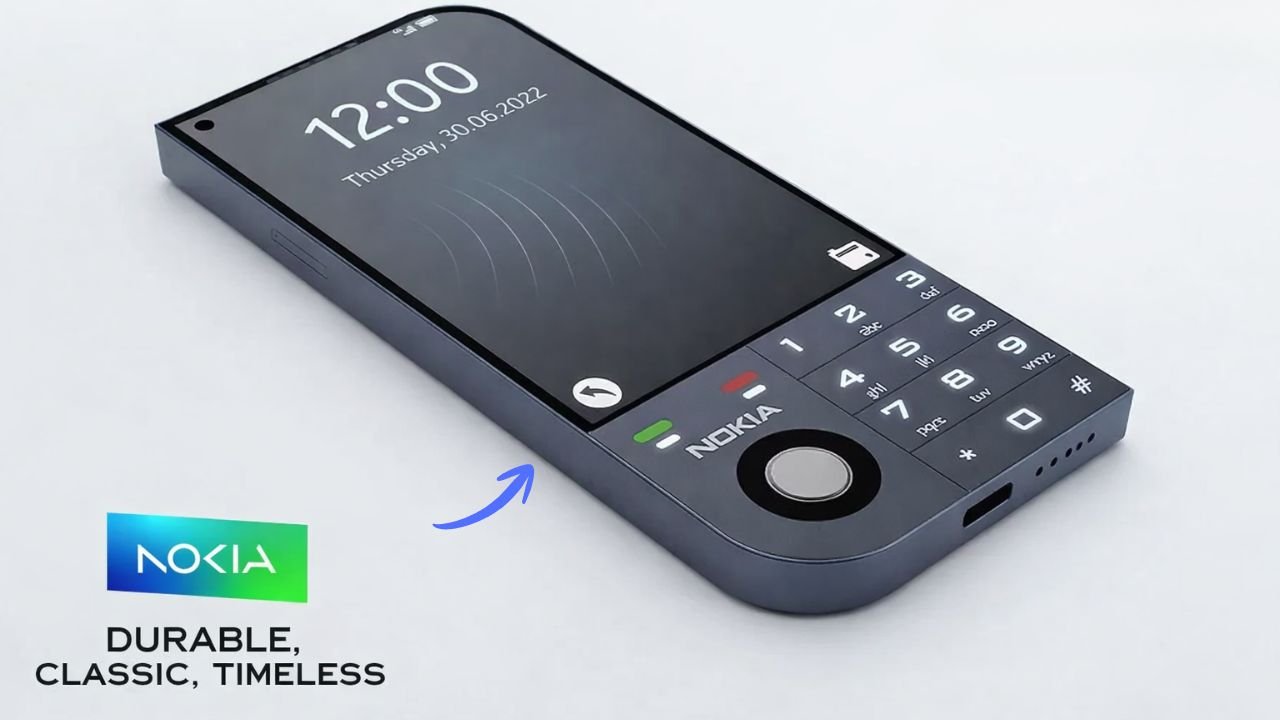
Back in 2004, Nokia launched the 7610, and it changed how people saw phones. It was not just for calling. It felt like a small computer in your pocket. With Symbian OS and a 1MP camera, it was ahead of its time. Even in 2026, people still love it for its legacy.
At a price of 15000 rupees, it was a premium phone. Tech lovers used it for MMS, videos, and early apps. It opened a new world for mobile users. It was like holding the future in your hand.
Unique Design That Changed Everything
The Nokia 7610 had a size of 109 x 53 x 19 mm and weighed 118g. It felt light and easy to hold. The design looked stylish and different from other phones. It stood out in a crowd like a bright star.
It came in Ruby Red and Onyx Black colors. These colors looked bold and modern. The mini SIM slot held the card tight even in busy situations. It was made for daily life.

The phone had a 2.1-inch TFT screen with 176 x 208 pixels. It showed clear colors for contacts and simple browsing. You could also store songs and ringtones with a memory card. Internal storage held contacts with photo ID.
Even without 3G, it worked well on GSM networks. Calls worked even in rural areas. It turned simple calling into something more advanced. It gave people a feel of smart devices before smartphones.
Here is a quick look at its main specs:
| Feature | Specification |
|---|---|
| Dimensions | 109 x 53 x 19 mm |
| Weight | 118 g |
| Display | 2.1-inch TFT LCD, 176×208 pixels |
| Storage | 1MB internal, up to 64MB card |
| Connectivity | GSM 900/1800/1900 |
| Colors | Ruby Red, Onyx Black |
Camera That Started a New Trend
The Nokia 7610 had a 1MP camera with 4x digital zoom. At that time, this felt amazing. It could take photos and record videos. Video clips could go up to 10 minutes in 640 x 480 resolution.
It also had an LED flash for low light. A self timer helped in group photos. There was a simple editor to crop images. It felt like having a mini camera in your pocket.
There was no autofocus, but modes worked well. Portrait and landscape gave good results. White balance helped keep skin tones natural. You could even share photos using MMS quickly.
Here are the camera details:
| Camera Feature | Details |
|---|---|
| Sensor | 1MP VGA |
| Zoom | 4x digital |
| Video | 640×480, 10 min clips |
| Flash | LED |
| Modes | Portrait, Landscape, Self-timer |
Battery That Lasted Long
The phone used a 900mAh battery. It gave up to 250 hours standby. Talk time was around 3 hours. One charge could last a full day.
The battery was removable. You could carry a spare easily. Charging was simple with Pop-Port. It worked even in basic power setups.
The phone had strong vibration alerts. It also had 39 polyphonic ringtones. You could hear calls even in loud places. It even had a torch for emergencies.

Strong Build That People Trusted
The Nokia 7610 became famous for its strong body. It survived falls, water, and rough use. Even if the body cracked, it still worked. That made it very reliable.
Repair was cheap and easy. Small fixes cost very little. Compared to modern phones, it was simple to maintain. It stayed with users for years.
Some users even used custom software. They played videos and used early internet calls. It was far ahead of its time. It became more than just a phone.
Easy to Own and Maintain
The phone was costly at first but worth it. Over time, parts became cheap and easy to find. Batteries, keypads, and repairs were affordable. Many people kept using it for years.
Second hand models still sold well. Some good units sold for 5000 rupees or more. It kept its value over time. It became like a digital memory passed on.
Compared to other brands, it was more practical. It focused on useful features. Many repair shops still praise it. People say it never truly dies.
Still Inspiring in 2026
Even today, new phones take ideas from old models like this. Some concept phones mix old design with new tech. Imagine this phone with AMOLED and big cameras. Sounds interesting, right?
Many people now want simple phones again. They want less screen time and more real life. This phone fits that idea well. It shows simple can still be powerful.
Original models now sell for 8000 rupees or more. Some users even modify them. They add new features while keeping the old look. It still has charm.
Why Nokia 7610 Is Still Loved
The Nokia 7610 gave users many features in one device. Calling, photos, and apps all in one. That is what smartphones do today. It started that journey.
It had strong battery life and solid design. It worked when people needed it most. It built trust with users. That is why it is still remembered.

Even now, people search for it online. Some collect it, some use it. It is like a classic story that never gets old. It continues to inspire new ideas.
Conclusion
The Nokia 7610 was not just a phone, it was a big step forward in mobile history. It gave people new ways to communicate, capture moments, and explore digital life. It was simple yet powerful, like a seed that later grew into modern smartphones. Even today, its design and features remind us how innovation starts small but creates a big impact over time.